RATGEBER / 2026-10-28
Repair a stone chip or replace the glass?
Size, position, edge distance and impact pattern: four factors that shape the professional assessment.
The four key factors
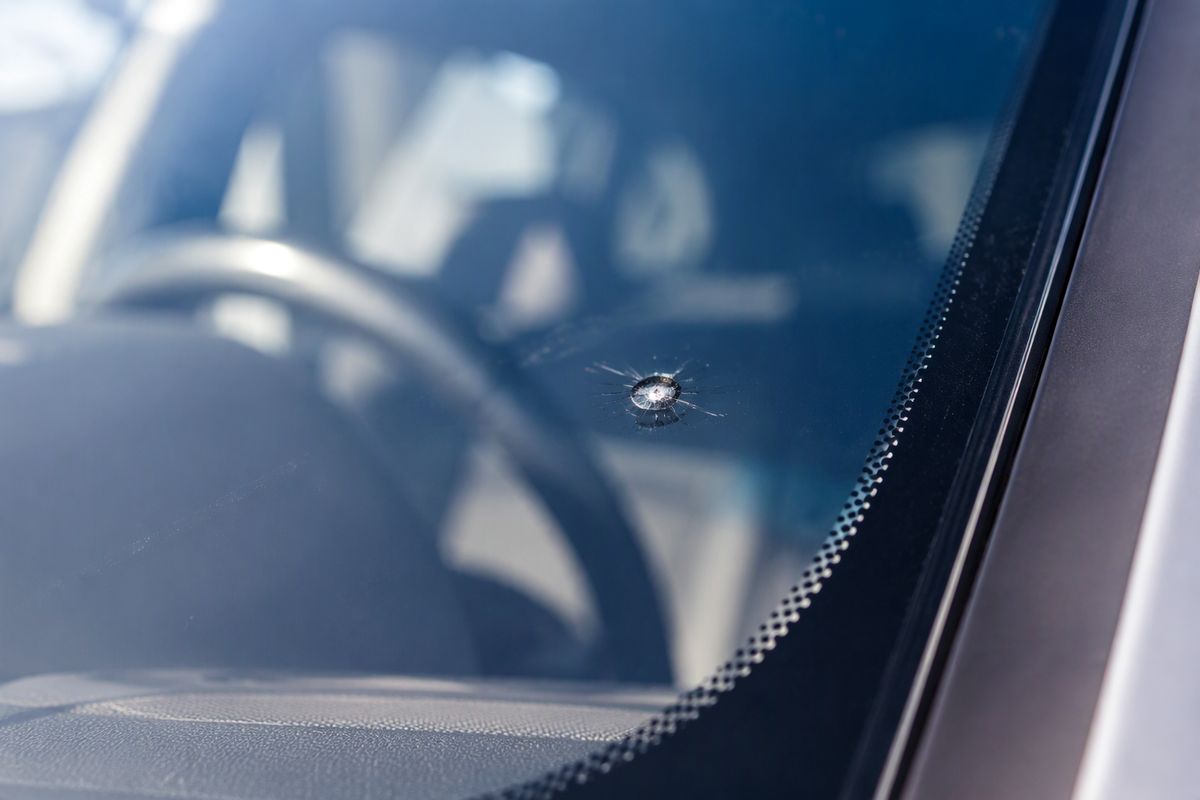
Initial assessment considers damage size, position, edge distance and fracture pattern. A star break behaves differently from a bull’s-eye or a spreading crack. Several impacts on one windshield also change the assessment. Photos can clarify the next question, but they do not always replace an on-vehicle inspection.
Why position matters
Damage in the driver’s immediate field of vision is assessed differently from damage farther away. Edge proximity can also affect stability and spreading. Diameter alone is therefore insufficient. Photograph from the driver’s perspective and straight from outside without touching the fracture.
What repair can achieve
For a suitable stone-chip repair, the damaged cavity is treated with resin. The goal is to stabilise the impact and resist further spreading while preserving the original glass. A completely invisible result cannot be promised; a small optical change may remain depending on the impact.
When replacement is assessed
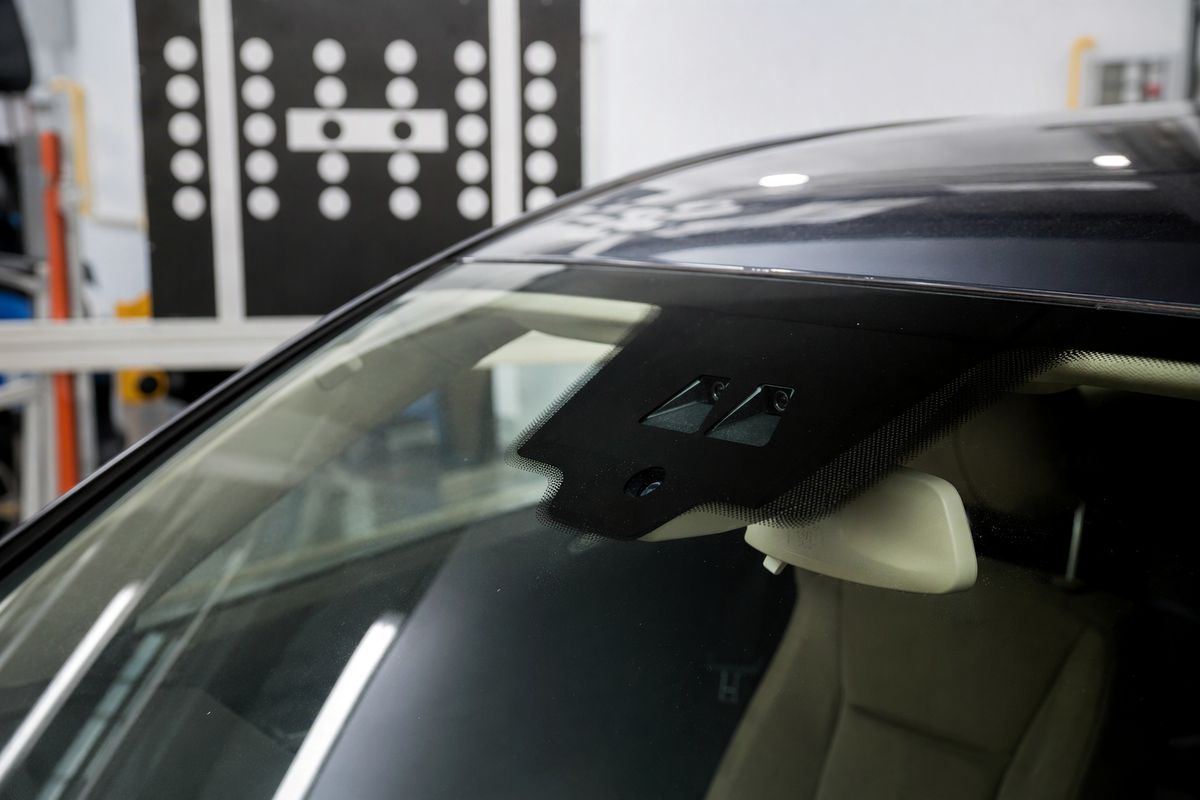
Long cracks, damage in safety-critical vision areas or unfavourable fracture patterns can require replacement. Glass specification and equipment must then be identified. Cameras, rain sensors, heating, acoustic glass and head-up display vary between versions. Manufacturer requirements for calibration and safe drive-away time apply after installation.
ⵙⵜⵉ ⴰⵏⴰⵡ ⵏ ⵓⵣⵔⴼ. ⵉⵏⵏⴰⵢⵉⵏ ⴰⴷ ⵓⵔ ⵙⵙⵏⴼⵍⵏ ⵜⵉⵔⵎⵜ ⵏ ⵜⵎⵓⵔⵉ, ⵎⴰⵛⴰ ⵉⵙⵙⵏ ⵉⵏⵖⵎⵉⵙⴰ ⵉⵎⵣⵔⴰⵢⵏ.